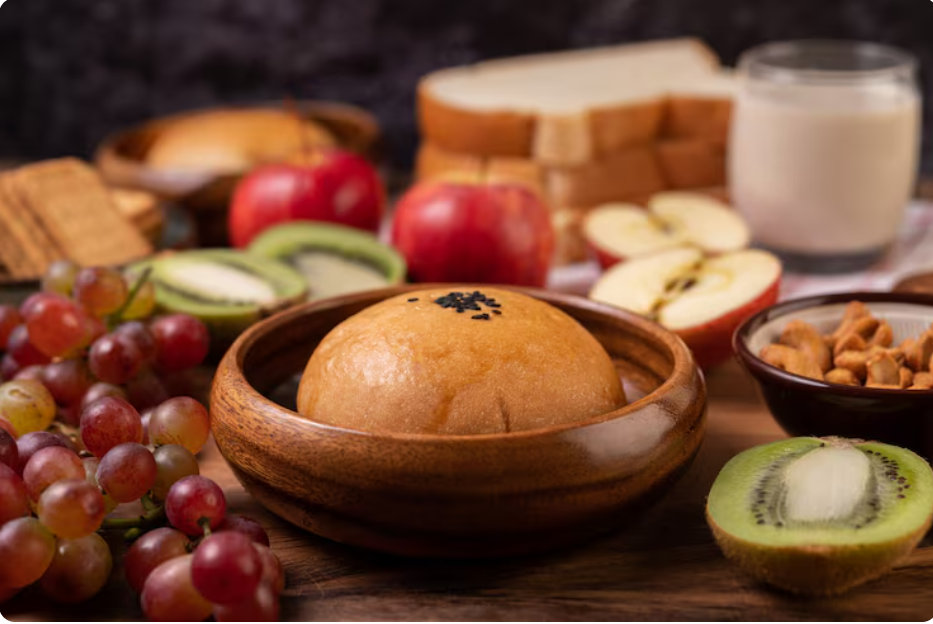
A Sweet Element That Completes the Experience
Meals are often remembered not only for their main courses but for how they end. A thoughtfully chosen sweet course brings a sense of completion and satisfaction. It signals the transition from nourishment to enjoyment, allowing people to relax and reflect. Dessert adds an emotional layer to dining, turning ordinary meals into memorable experiences.
Emotional Comfort and Familiarity
Sweet flavors are closely linked to comfort and positive memories. Many people associate them with childhood, family gatherings, or celebrations. This emotional connection explains why a small sweet treat can lift mood and reduce stress. Dessert provides familiarity and reassurance, especially during moments when comfort is needed most.
Celebration and Special Occasions
Important milestones are often marked with something sweet. Birthdays, weddings, holidays, and achievements frequently include a celebratory dish. These moments turn food into a symbol of joy and togetherness. Dessert becomes a shared experience that brings people closer and strengthens social bonds.
Creativity and Artistic Expression
Sweet dishes allow creativity to shine in the kitchen. Colors, textures, and presentation play a major role in how they are enjoyed. From simple homemade treats to elaborate creations, this part of the meal showcases imagination and skill. Dessert encourages experimentation with flavors and styles, making it an artistic expression as much as a culinary one.
Balance Between Indulgence and Moderation
Enjoyment does not require excess. Small portions prepared with quality ingredients offer satisfaction without overwhelming the body. When eaten mindfully, dessert fits naturally into a balanced lifestyle. It teaches that pleasure and health do not have to conflict when moderation and awareness are practiced.
Cultural Meaning Across the World
Every culture has its own sweet traditions that reflect history and values. From festive sweets to everyday treats, these dishes tell stories of heritage and celebration. Dessert varies widely across regions, yet its purpose remains similar everywhere, to bring joy, share moments, and honor tradition.
Social Connection at the Table
Sharing something sweet often extends conversations and keeps people together longer. It creates a relaxed atmosphere where stories are exchanged and relationships deepen. Dessert encourages people to slow down, enjoy the moment, and connect beyond the act of eating.
Psychological Satisfaction After Meals
Ending a meal with sweetness provides a sense of closure. It signals completion and reduces lingering cravings. This satisfaction can prevent unnecessary snacking later and supports mindful eating habits. Dessert plays a role in how the mind perceives fullness and contentment.
Adapting to Modern Preferences
As lifestyles evolve, sweet dishes continue to adapt. Health conscious options, alternative ingredients, and creative presentations allow people to enjoy familiar pleasures in new ways. Dessert evolves with time while still maintaining its emotional purpose and appeal.
A Meaningful Addition to Everyday Life
Food is not only about fueling the body but also about nourishing the spirit. Dessert brings joy, comfort, and connection to meals, making them more than routine nourishment. When enjoyed with intention, dessert becomes a small yet powerful reminder that pleasure, balance, and emotional connection all belong at the table.