A Taste of Local Identity
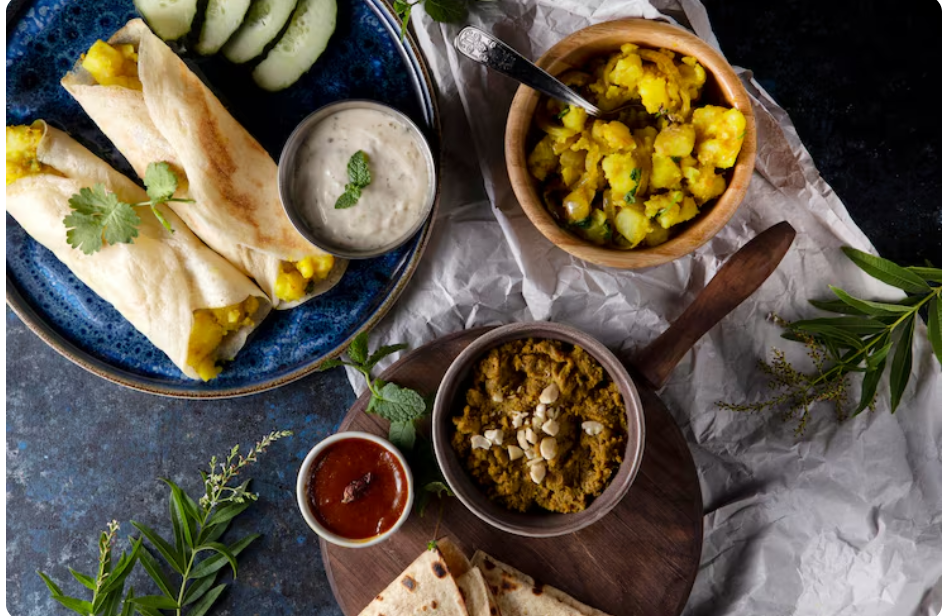
Regional Cuisine offers more than nourishment; it tells the story of a place and its people. Ingredients, cooking techniques, and traditional recipes reflect the local environment, climate, and history. Each region has distinct flavors shaped by availability of produce, herbs, and spices, making meals a living representation of culture and heritage.
Historical Influences on Local Food
Over centuries, migration, trade, and conquest have left their mark on regional dishes. Historical events influence ingredients, methods, and presentation styles. Recipes often evolve to incorporate new flavors while preserving traditional roots. Regional Cuisine becomes a bridge between past and present, connecting generations through shared tastes.
Seasonal Ingredients and Freshness
Local availability plays a key role in shaping flavor profiles. Seasonal vegetables, fruits, meats, and grains are central to regional recipes. Using fresh and timely ingredients enhances taste while reflecting the environment’s natural rhythm. This approach supports sustainability and provides meals that are both flavorful and nutritious.
Cultural Significance of Traditional Dishes
Meals often hold ceremonial, festive, or symbolic value. Regional Cuisine carries stories of rituals, celebrations, and daily practices. Through food, communities express identity, values, and traditions. Certain dishes are prepared for festivals or gatherings, reinforcing social bonds and shared memories.
Diversity Across Regions
No single style defines the cuisine of a nation. Coastal areas focus on seafood and light preparations, while mountainous regions emphasize hearty, preserved foods. Plains and agricultural zones highlight grains and fresh vegetables. This diversity showcases how environment and lifestyle shape culinary traditions uniquely in each region.
Techniques Passed Through Generations
Cooking methods in Regional Cuisine are often learned through family and community. Techniques such as roasting, fermenting, or slow cooking are adapted over time but retain authenticity. These methods preserve flavor, texture, and cultural significance, making meals more than just food—they become experiences and lessons.
Balancing Flavor, Nutrition, and Tradition
Many traditional dishes balance taste and nutrition intuitively. The combination of proteins, vegetables, grains, and spices reflects centuries of practical knowledge. Regional Cuisine often emphasizes harmony rather than excess, providing satisfying meals that nourish both body and spirit.
Modern Adaptations and Global Influence
While maintaining authenticity, regional dishes also adapt to contemporary tastes and global influence. Chefs experiment with presentation, ingredients, and fusion techniques. This evolution ensures that Regional Cuisine remains relevant while keeping traditional essence intact, attracting both locals and visitors alike.
Building Community Through Food
Shared meals strengthen community ties. Markets, festivals, and communal cooking events highlight regional flavors while bringing people together. Food becomes a social connector, fostering interaction and understanding. Regional Cuisine serves as a medium for storytelling, teaching, and celebration.
Preserving Heritage and Identity
Through its ingredients, flavors, and techniques, Regional Cuisine preserves cultural heritage. It reflects local pride and identity while promoting diversity in the broader culinary world. By celebrating these dishes, communities maintain a connection to their roots and ensure that their culinary legacy continues for generations.